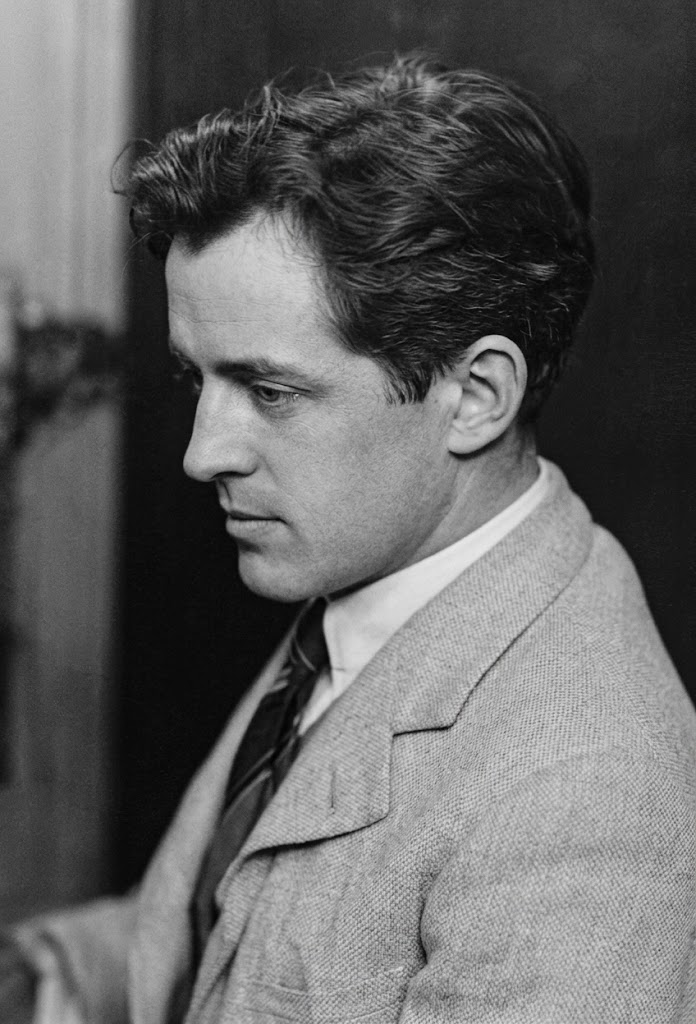
 David Ronald Ferguson Hargrave (1882 - 1934) was an American painter born in Barron, Wisconsin, in 1882, whose life and career spanned major artistic
hubs across North America, Europe, and Asia. Educated at the Art Institute of Chicago, Hargrave quickly demonstrated versatility in portraiture,
landscape, and genre painting. During his formative years, frequent transatlantic passenger voyages allowed him to immerse himself in European art
traditions. On one such crossing, his musical talents caught the attention of the famous Scottish entertainer Sir Harry Lauder, who strongly encouraged
Hargrave to pursue a professional career as a concert singer. Hargrave ultimately chose visual art over performance, seeking a life where his creative
expression took center stage while keeping his personal life out of the public eye.
David Ronald Ferguson Hargrave (1882 - 1934) was an American painter born in Barron, Wisconsin, in 1882, whose life and career spanned major artistic
hubs across North America, Europe, and Asia. Educated at the Art Institute of Chicago, Hargrave quickly demonstrated versatility in portraiture,
landscape, and genre painting. During his formative years, frequent transatlantic passenger voyages allowed him to immerse himself in European art
traditions. On one such crossing, his musical talents caught the attention of the famous Scottish entertainer Sir Harry Lauder, who strongly encouraged
Hargrave to pursue a professional career as a concert singer. Hargrave ultimately chose visual art over performance, seeking a life where his creative
expression took center stage while keeping his personal life out of the public eye.
Hargrave later established himself in the United States art scene, becoming active in Illinois and spending time in the French Quarter of
New Orleans—a bohemian enclave known for attracting avant-garde artists, writers, and queer creatives in the early 20th century. During this period,
Hargrave built connections within early expatriate and queer artistic networks that sought refuge and inspiration away from conventional social norms.
Seeking new light and visual subjects, he eventually relocated to Majorca, Spain, joining the celebrated international colony of bohemian painters,
writers, and expatriates inhabiting the Balearic Islands during the interwar years.
Throughout his career, Hargrave remained a restless world traveler, continually expanding his artistic horizon through global journeys. His work
captured the atmosphere, light, and distinctive figures of the locations he inhabited, ranging from European vistas to North American cityscapes and
tropical regions. His life came to an end in 1934 in Java, Indonesia, marking the final chapter of a nomadic artistic journey that spanned continents.
Today, his paintings remain part of the legacy of early 20th-century American expatriate art, recognized for their fine capture of landscape and human
character.
In 1926 Pelican Bookshop Press, New Orleans, published "William Spratling and William Faulkner, Sherwood Anderson and Other Famous Creoles: A Gallery of Contemporary New Orleans",
issued in 250 copies. The “Famous Creoles” (with ages in 1926) were
- Conrad Albrizio, 27, New York-born, serious artist, Spratling’s neighbor, Arts and Crafts Club stalwart
- Sherwood Anderson, 50, “Lion of the Latin Quarter,” eminence gris, generous to respectful younger writers (LGBTQ friendly)
- Marc Antony and Lucille Godchaux Antony, both 28, Love-match between heiress and lower-middle-class boy, local artists
- Hamilton “Ham” Basso, 22, Star-struck recent Tulane grad, aspiring writer, good dancer (LGBTQ friendly)
- Charles “Uncle Charlie” Bein, 35, Director of Arts and Crafts Club’s art school; lived with mother, sister, and aunt (GAY)
- Frans Blom, 33, Danish archeologist of Maya, Tulane professor, colorful resident of Quarter
- Roark Bradford, 30, Newspaperman, jokester, hit pay dirt with Negro dialect stories
- Nathaniel Cortlandt Curtis, 45, Tulane architecture professor, preservationist, recorded old buildings
- Albert Bledsoe Dinwiddie, 55, President of Tulane, Presbyterian
- Marian Draper, 20, Ziegfeld Follies alum, Tulane cheerleader, prize-winning architecture student
- Caroline “Carrie” Wogan Durieux, 30, Genuine Creole, talented artist living in Cuba and Mexico, painted by Rivera
- William “Bill” Faulkner, 29, Needs no introduction, but wrote the one to Famous Creoles (LGBTQ friendly)
- Flo Field, 50, French Quarter guide, ex-journalist, sometime playwright, single mother
- Louis Andrews Fischer, 25, Gender-bending Mardi Gras designer, named for her father (LGBTQ friendly)
- Meigs O. Frost, 44, Reporter’s reporter; lived in Quarter; covered crime, revolutions, and arts
- Samuel Louis “Sam” Gilmore, 27, Greenery-yallery poet and playwright, from prominent family (GAY)
- Moise Goldstein, 44, Versatile and successful architect, preservationist, active in Arts and Crafts Club
- Weeks Hall, 32, Master of and slave to Shadows-on-the-Teche plantation, painter, deeply strange (GAY)
- Ronald Hargrave, 44, Painter from Illinois formerly active in Quarter art scene, relocated to Majorca
- R. Emmet Kennedy, 49, Working-class Irish boy, collected and performed Negro songs and stories
- Grace King, 74, Grande dame of local color literature and no-fault history, salonnière
- Alberta Kinsey, 51, Quaker spinster, Quarter pioneer, indefatigable painter of courtyards
- Richard Ray Kirk, 49, Tulane English professor and poet, loyal Michigan Wolverine alumnus
- Oliver La Farge, 25, New England Brahmin, Tulane anthropologist and fiction-writer, liked a party
- Harold Levy, 32, Musician who ran family’s box factory, knew everybody, turned up everywhere
- Lillian Friend Marcus, 35, Young widow from wealthy family, angel and manager of Double Dealer (LGBTQ friendly)
- John “Jack” McClure, 33, Poet, newspaper columnist and reviewer, Double Dealer editor, bookshop owner
- Virginia Parker Nagle, 29, Promising artist, governor’s niece, Arts and Crafts Club teacher
- Louise Jonas “Mother” Nixon, 70, A founder of Le Petit Theatre and its president-for-life, well-connected widow
- William C. “Cicero” Odiorne, 45, Louche photographer, Famous Creoles’ Paris contact (GAY)
- Frederick “Freddie” Oechsner, 24, Recent Tulane graduate, ambitious cub reporter, amateur actor
- Genevieve “Jenny” Pitot, 25, Old-family Creole, classical pianist living in New York, party girl
- Lyle Saxon, 35, Journalist, raconteur, bon vivant, host, preservationist, bachelor (GAY)
- Helen Pitkin Schertz, 56, Clubwoman, civic activist, French Quarter guide, writer, harpist
- Natalie Scott, 36, Journalist, equestrian, real-estate investor, Junior Leaguer, social organizer (LGBTQ friendly)
- William “Bill” Spratling, 25, Famous Creoles illustrator, Tulane teacher, lynchpin of Quarter social life (GAY)
- Keith Temple, 27, Australian editorial cartoonist, artist, sometimes pretended to be a bishop
- Fanny Craig Ventadour, 29, Painter, Arts and Crafts Club regular, lately married and living in France
- Elizebeth Werlein, 39, Suffragette with colorful past, crusading preservationist, businessman’s widow
- Joseph Woodson “Pops” Whitesell, 50, Photographic jack-of-all-trades, French Quarter eccentric, inventor (GAY)
- Daniel “Dan” Whitney, 32, Arts and Crafts Club teacher, married (two) students, beauty pageant judge
- Ellsworth Woodward, 65, Artistic elder statesman, old-fashioned founder of Newcomb art department
References:
Other references:
- AskART Biographical Archive: Includes the biographical essay submitted in August 2006 by novelist and historical researcher Sean Hemingway (© 2005, 2006), detailing Hargrave's studies at the Art Institute of Chicago, his interaction with Sir Harry Lauder, and his international travels.
- Federal Writers' Project / Works Progress Administration (WPA): New Orleans City Guide (1938), which documents Hargrave’s presence and work in the French Quarter artistic community during the 1920s.
- Invaluable & LiveAuctioneers Databases: Catalog records documenting known, signed works and dates, including Pirates Alley New Orleans (1924) and La Fuente de la Plaza, confirming his regional activity and timeframe.
- Art Institute of Chicago Student Records: Archival records documenting his early formal art education in Chicago prior to his European travels.
- U.S. Passport Applications & Passenger Manifests (1900–1930): Travel records documenting his frequent transatlantic voyages between North America, Europe (specifically Majorca, Spain), and East Asia (Java, Indonesia).
Support this project
This website is a passion project researched, developed, and funded entirely by me. If you find the content valuable and would like to help support the ongoing research and hosting costs, any contribution is deeply appreciated.
Thank you for keeping this independent resource alive!
My books on Amazon: Elisa Rolle's books
BACK TO HOME PAGE
